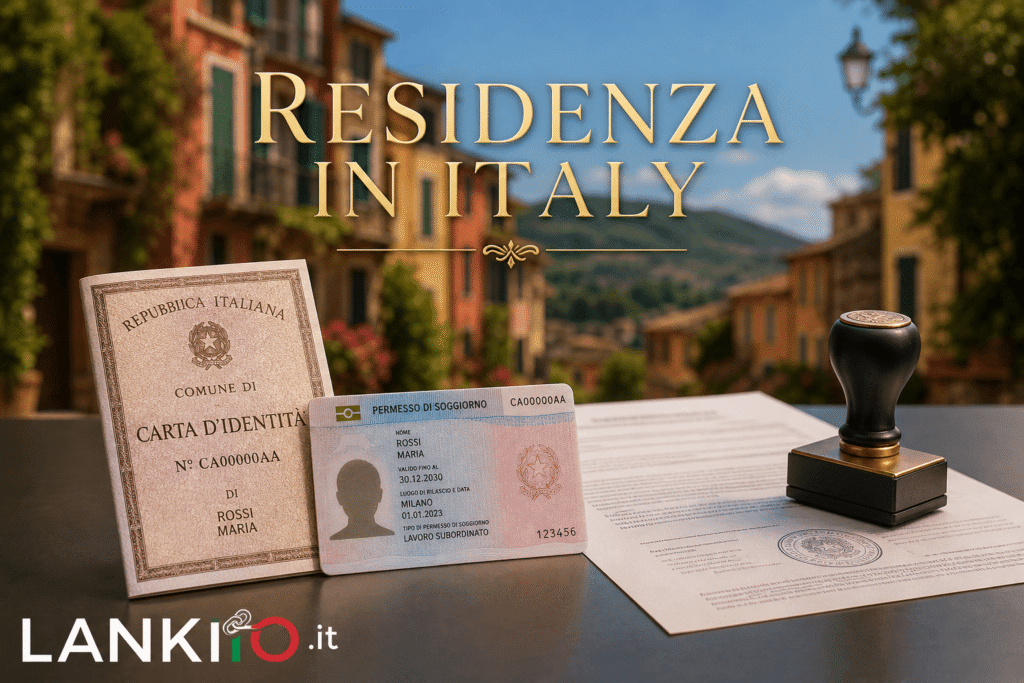
Italian Citizenship (Cittadinanza): Requirements and Steps for 2026
For many residents in Italy, obtaining Italian citizenship (Cittadinanza Italiana) is a major milestone. It grants the right to travel freely across Europe and provides permanent legal rights. Based on the regulations in 2026, here are the primary qualifications and steps required to apply for citizenship.
Primary Ways to Obtain Citizenship
There are two main pathways to apply for Italian citizenship:
1. Based on Residency (Cittadinanza per Residenza)
As a citizen of a non-EU country, you must have been a legal resident of Italy (Residenza Anagrafica) for at least 10 consecutive years.
2. Based on Marriage (Cittadinanza per Matrimonio)
If you are married to an Italian citizen, you may apply after 2 years of legal residency in Italy following the marriage. (This period is reduced to 1 year if you have children together).
Mandatory Qualifications
1. Language Proficiency (B1 Level)
Every applicant must provide a certificate proving Italian language proficiency at the B1 Level (Level B1 QCER). The certificate must be issued by an institution recognized by the Italian government.
2. Income Requirement (Reddito)
You must have exceeded the minimum income threshold for the last 3 years prior to applying. Generally, this is approximately €8,263 per year for a single individual, though this amount increases if you have dependent family members.
3. Criminal Record Check
You must submit Police Clearance records from your home country as well as records issued by the Italian government. These documents must be properly translated and legalized.
Key Documents Required
- Birth Certificate (translated and legalized).
- Criminal Record Certificate (from your home country).
- Valid Passport and Permit of Stay (Permesso di Soggiorno).
- Residency certificates and income tax records (CUD/Unilav).
- Italian Language Proficiency Certificate (B1).
For further details, visit the official website of the Italian Ministry of the Interior: Ministero dell'Interno